
Calorie Calculator: Calculate Your Daily Calorie Needs for Weight Loss
Understanding your daily caloric needs is the foundation of effective weight loss. At Calorie Calculator, we offer a user-friendly, evidence-based tool to help determine the calories you need to shed pounds healthily. By factoring in your age, sex, weight, height, and activity level, our calculator provides personalized insights into your Basal Metabolic Rate (BMR) and Total Daily Energy Expenditure (TDEE). This data is crucial in setting a realistic calorie deficit to reach your weight loss goals efficiently. Begin your journey towards a healthier you by exploring your unique calorie needs today.
Your Details
Brief Overview
The Calorie Calculator offers an evidence-based tool to estimate daily caloric needs, aiding weight loss, maintenance, and muscle gain through personalized insights into Basal Metabolic Rate (BMR) and Total Daily Energy Expenditure (TDEE). By entering key personal details, users receive tailored calorie and macro recommendations, set realistic deficits, and make informed nutritional choices. The platform simplifies the planning of fitness and diet goals, supporting healthier living through smart calorie management. Designed for all fitness levels, it helps transform health routines into sustainable lifestyle changes.
Key Highlights
- The Calorie Calculator estimates daily caloric needs using evidence-based formulas like Mifflin-St Jeor for personalized nutrition plans.
- Understanding Basal Metabolic Rate (BMR) and Total Daily Energy Expenditure (TDEE) is essential for setting realistic weight goals.
- Choosing nutrient-dense foods and avoiding empty calories supports effective calorie management for weight loss.
- Adjusting caloric intake based on activity level ensures accurate energy balance and supports fitness goals.
- Creating a safe calorie deficit aids weight loss effectively, with personalized guidance from the Calorie Calculator.
Understanding Your Daily Calorie Needs
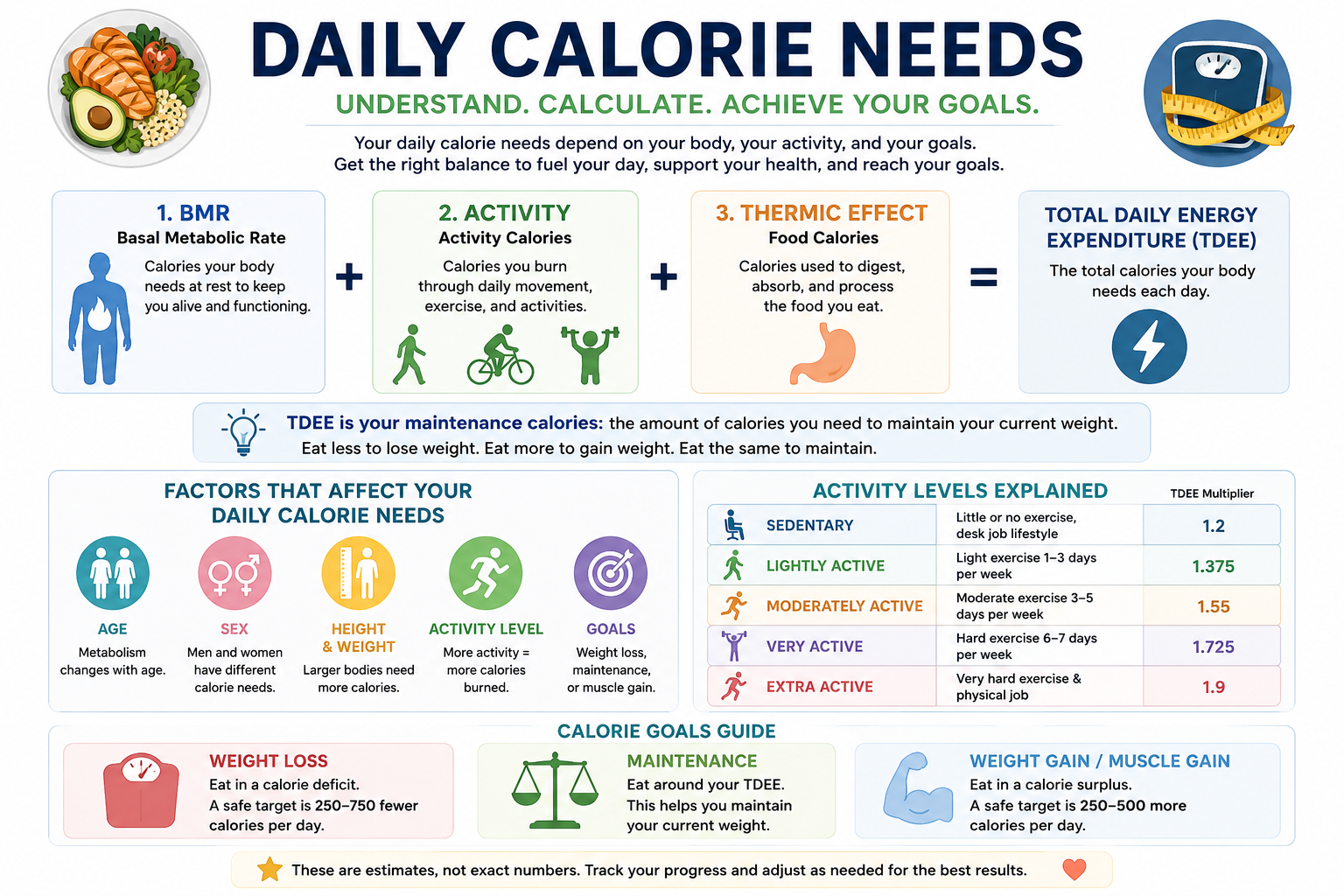
Navigating your daily calorie needs is crucial for achieving health and fitness goals, whether it's weight loss, maintenance, or muscle gain. By determining your ideal calorie intake, you can effectively manage your calorie requirements and optimize your nutritional habits. Your required number of calories isn't a one-size-fits-all figure; it's influenced by various factors, including age, sex, height, weight, and activity level. Understanding these variables helps you tailor your energy balance and supports healthy living. Your Basal Metabolic Rate (BMR), which accounts for the calories you'd burn at rest, combined with your Total Daily Energy Expenditure (TDEE), outlines a comprehensive picture of what your calorie intake should be to support your lifestyle. And, as maintaining a calorie deficit is essential for weight loss, our Calorie Calculator can assist in designing a customized plan based on your personal health goals and fitness aspirations, making your journey to wellness as effective and efficient as possible.
Factors Affecting Calorie Intake
Understanding the various factors affecting your calorie intake is crucial for effective weight management and improving overall health. Factors such as age, gender, and body composition can significantly influence how many calories you need to consume daily. Your calorie needs are also impacted by your activity level; more active individuals typically require more calories. Nutrition choices play a vital role too. Consuming nutrient-dense foods can help maintain a healthy weight by providing your body with essential nutrients without excess calories. Another key factor is your metabolism, which determines how efficiently your body converts food into energy. When aiming to lose or manage weight, it's essential to track your calorie intake by eating mindful portions that align with your health and weight goals. Lastly, lifestyle habits, including the frequency of meals, sleep patterns, and stress levels, can affect calorie needs. Balancing these elements appropriately will guide you towards successful weight management and optimal health outcomes.
The Role of Basal Metabolic Rate (BMR)
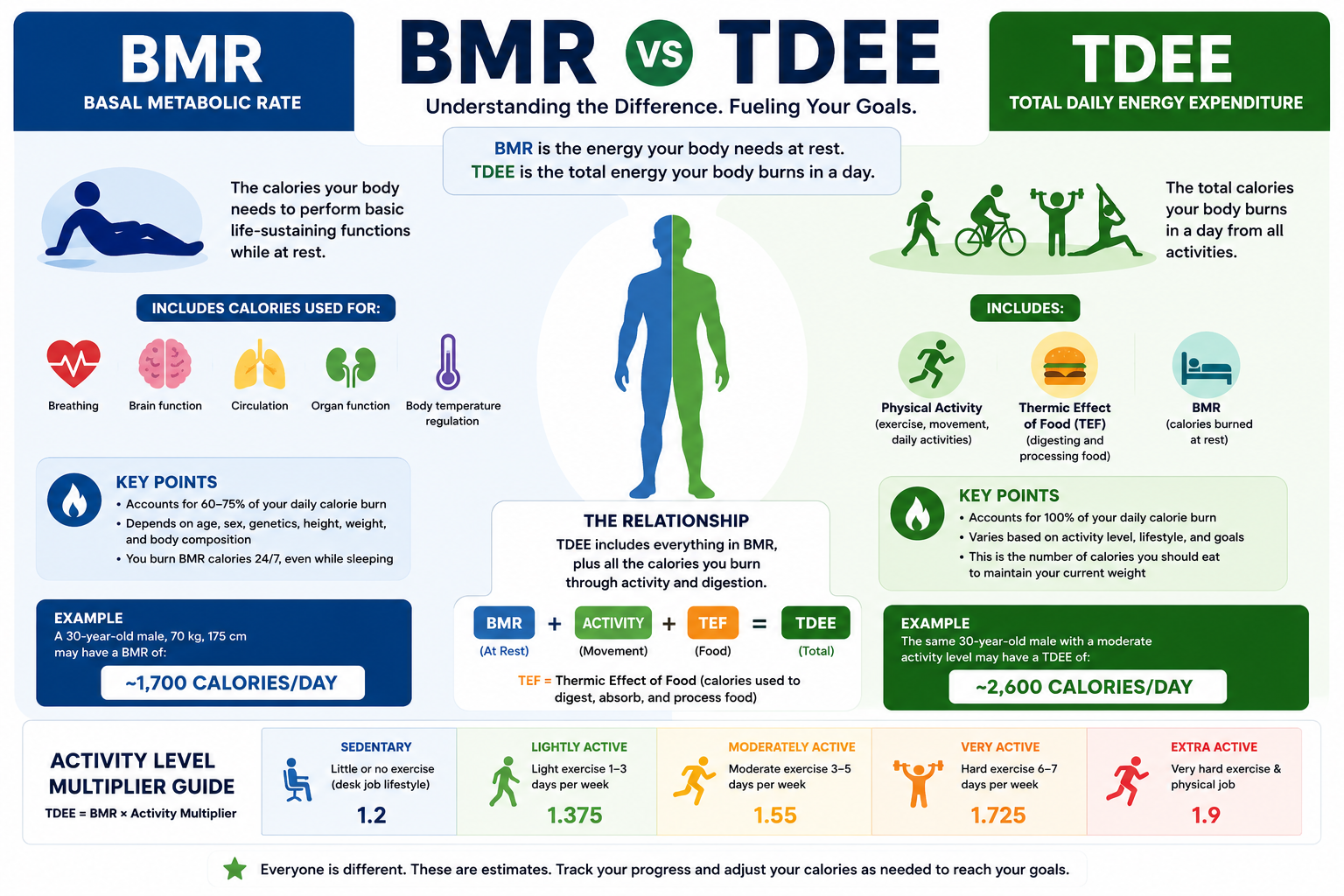
Basal Metabolic Rate (BMR) plays a crucial role in understanding your daily calorie needs. BMR is the number of calories your body requires to maintain basic physiological functions while at rest. It determines how much energy you need to maintain your current weight without additional activity. Using the Mifflin-St Jeor or Harris-Benedict equation, you can estimate your BMR and better understand your daily calorie requirements. These equations take into account factors like age, sex, height, and weight to provide personalized estimates. Understanding your BMR helps you make informed decisions about your diet and exercise routines. Whether you're aiming to lose weight or find your daily calorie balance, knowing your basal metabolic rate is essential. It serves as the foundation for calculating your Total Daily Energy Expenditure (TDEE), which includes all activities throughout the day. With accurate BMR estimates, you can create a realistic plan to achieve your fitness goals and adjust your calorie intake accordingly.
How Our Calorie Calculator Works
The calorie calculator on Calorie Calculator is your go-to tool for estimating your daily caloric needs effortlessly. Our easy-to-use calculator welcomes you to simply input your details, such as age, sex, weight, height, and activity level. With just a few clicks, or even a simple slide, you can access personalized recommendations tailored to fit your weight loss journey. The calculator leverages evidence-based methods like Mifflin-St Jeor and Harris-Benedict, ensuring accuracy in your nutritional planning. This intuitive calculator isn’t just functional; it’s designed with your convenience in mind, ensuring a fast and mobile-friendly experience. By using the calorie calculator, you’ll be equipped to track your progress effectively, allowing you to stay on course towards your fitness goals. While the app doesn’t replace personalized medical advice, it’s a valuable companion in structuring your diet and exercise plan. Dive into a healthier lifestyle today, and use this calculator to start managing your caloric intake accurately and efficiently.
Step-by-Step Guide to Using the Calculator
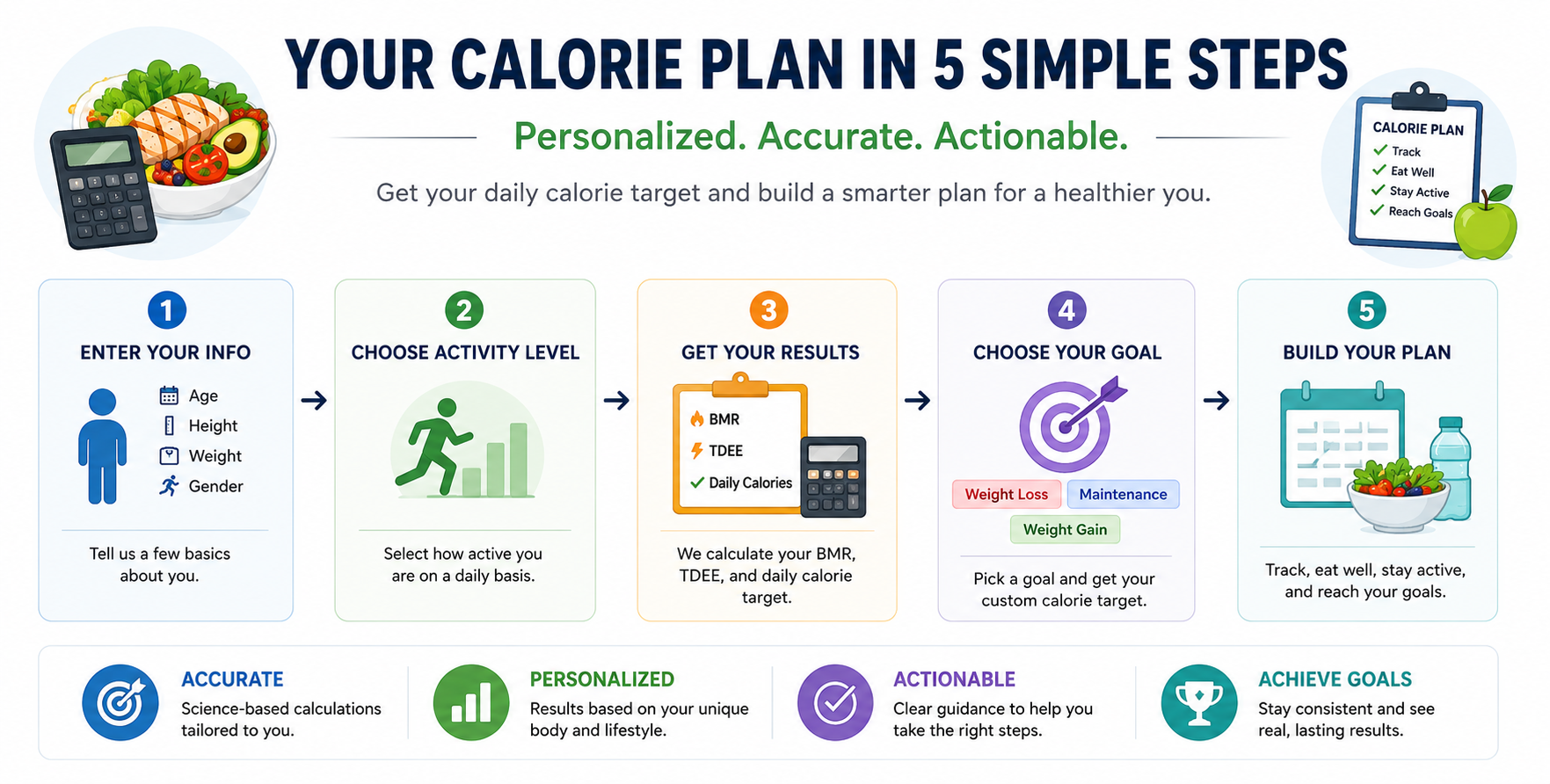
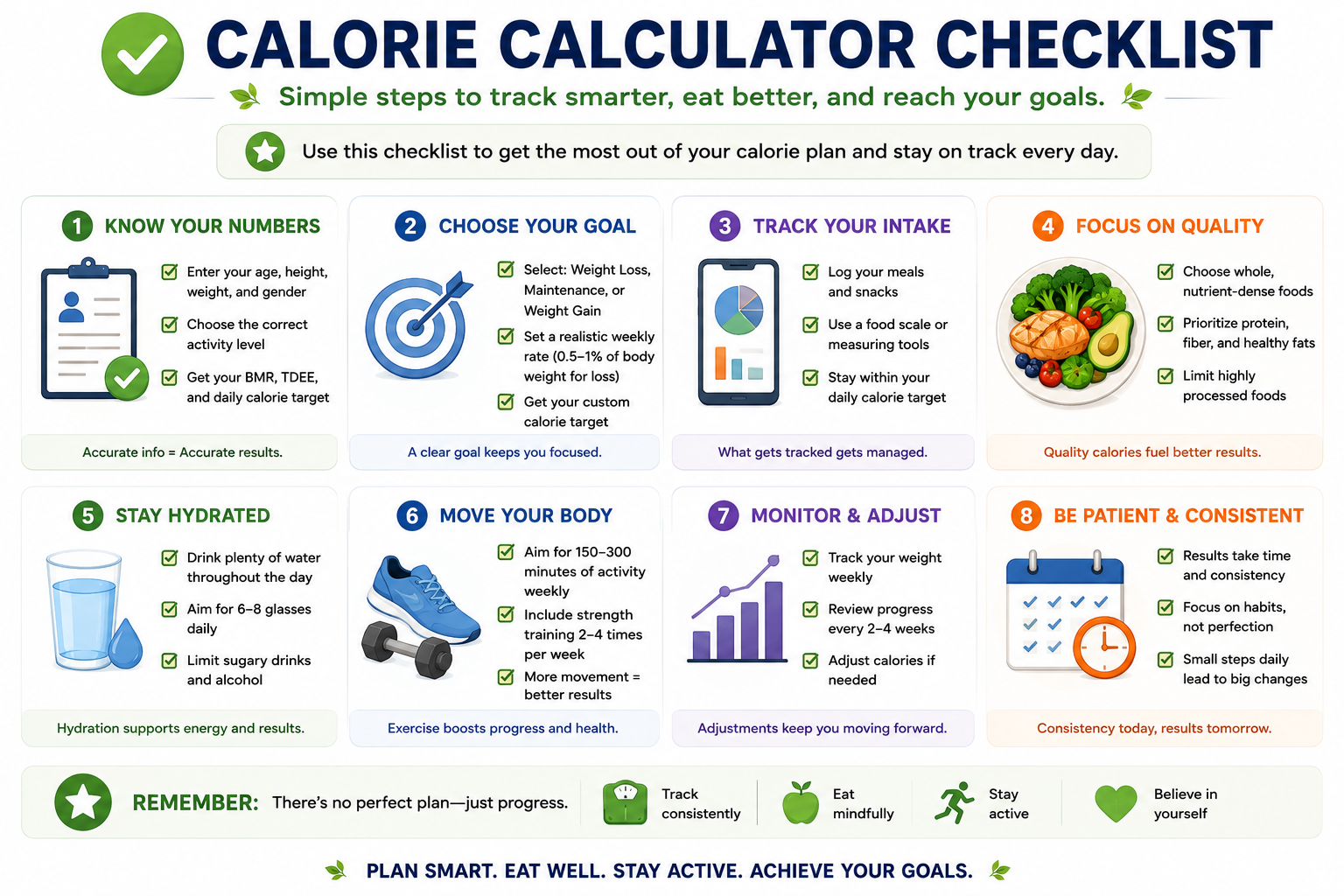
To start calculating your daily calorie needs, simply enter your details into our calorie calculator. Begin by inputting your age, weight, height, and gender. Next, select how active you are during a typical weekday with activity levels ranging from sedentary to very active. Your fitness goals are crucial, whether they involve weight loss, maintenance, or muscle gain, so make sure to specify your goals clearly. Don't forget to consider your exercise routine; you can use our exercise calorie calculator to determine how many calories your workouts burn. Once you have all the information ready, click the calculate button. Our tool will instantly deliver a personalized number indicating your daily caloric needs. By consistently tracking these numbers, you'll have a better understanding of your intake and how active you need to be to achieve your weight goals. Remember, tracking your progress is key in managing and adjusting your nutrition plan to stay on course.
Evidence-Based Formulas Explained
Understanding how many calories you need daily for effective weight loss relies on evidence-based formulas. At Calorie Calculator, we use trusted methods like the Mifflin-St Jeor and Harris-Benedict equations to provide accurate estimates of your caloric needs. The Mifflin-St Jeor formula considers factors such as age, sex, weight, and height to estimate your Basal Metabolic Rate (BMR), while the Harris-Benedict equation goes further by factoring in your activity levels to determine your Total Daily Energy Expenditure (TDEE). These calculations give you an estimation of the calories your body burns both at rest and during daily activities. Precise estimates allow you to create an effective calorie deficit strategy for weight loss. Accurately predicting your calorie requirements is crucial for tailoring a personalized nutrition plan that suits your lifestyle. Whether your goal is dropping those extra pounds or maintaining your current weight, using evidence-based formulas ensures you're on the right track with your daily caloric intake.
Now that you've understood the significance of evidence-based formulas for estimating caloric needs, consider these practical tips for implementing them into your daily routine:
- Start tracking your daily intake using a reliable calorie-tracking app.
- Gradually adjust portion sizes to align with your calculated caloric goal.
- Incorporate more physical activity to match your Total Daily Energy Expenditure.
- Regularly review and update your BMR and TDEE as your lifestyle changes.
- Focus on nutrient-rich foods to maintain balance while achieving weight goals.
- Stay hydrated, as liquids also contribute to your overall calorie intake.
- Monitor progress and make adjustments without drastically altering your diet.
These strategies ensure your nutritive needs align with evidence-based estimations, enhancing your weight management journey.
Activity Level and Its Impact on Caloric Needs
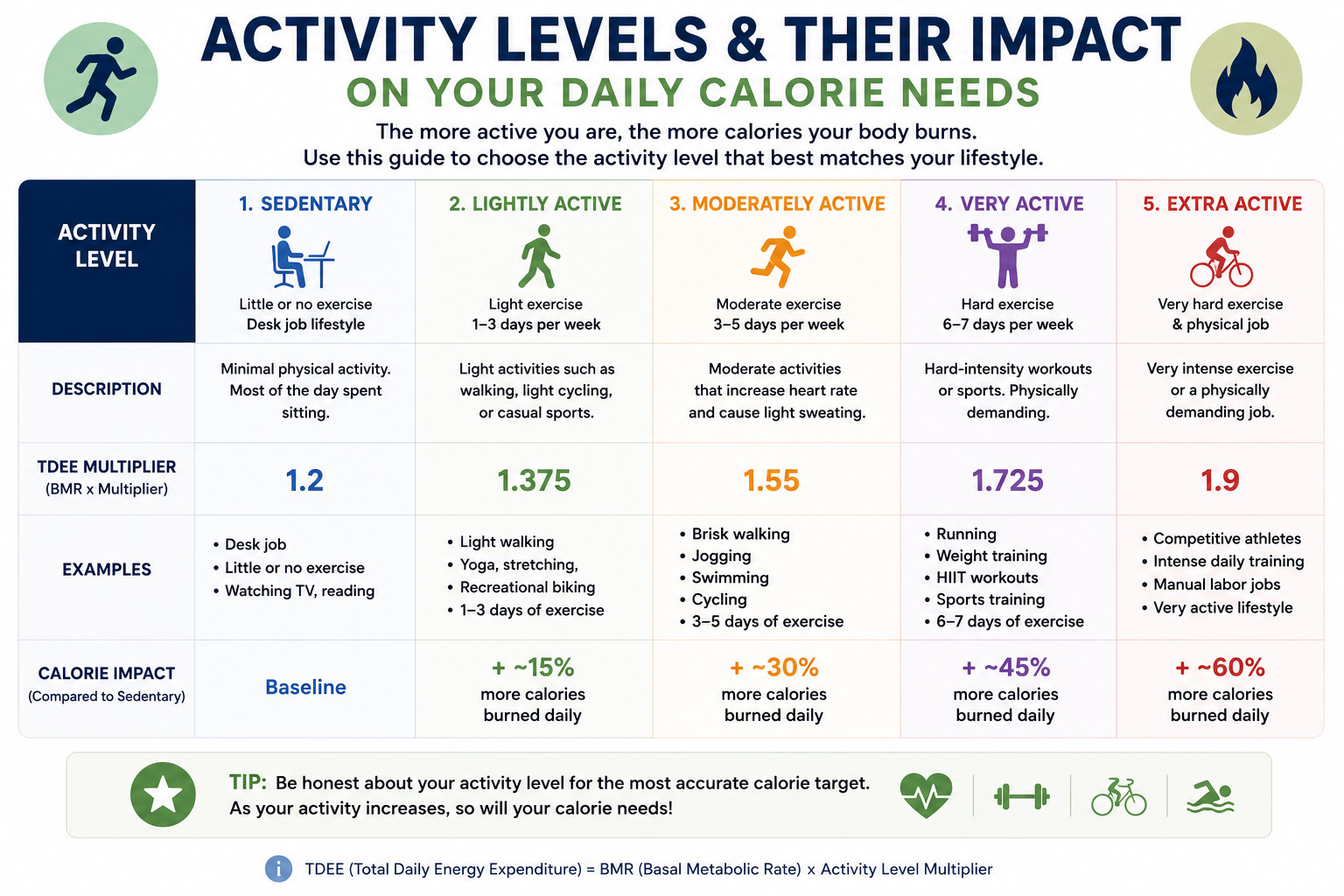
Your activity level plays a crucial role in determining your daily caloric needs. Whether you’re naturally active or plan to incorporate exercise into your routine, understanding how active you are helps our calorie calculator provide accurate estimates. Sedentary individuals need fewer calories, while those with an active lifestyle require more to sustain their energy levels. The variation in activity level directly impacts your caloric needs, guiding your nutrition and fitness journey, whether the goal is weight loss or muscle gain. Exercise calories, which are burned during physical activities, must be accounted for to achieve your desired outcomes. By considering your unique activity level, Calorie Calculator helps tailor a personalized plan to meet your fitness goals. Whether you’re striving for a calorie deficit to shed weight or a surplus to gain muscle, acknowledging your activity level ensures you’ll meet your nutrition needs effectively. Remember, an active lifestyle combined with smart calorie management can significantly enhance your overall fitness and health.
Activity Level Guide
| Activity Level | Typical Lifestyle | How It Affects Calories |
|---|---|---|
| Sedentary | Desk job, little formal exercise | Lowest estimated daily calorie needs |
| Lightly active | Light exercise or regular walking | Slightly higher calorie needs |
| Moderately active | Exercise 3–5 days per week | Moderate increase in calorie needs |
| Very active | Hard exercise or active job | Higher calorie needs for recovery and performance |
How Different Activity Levels Alter Caloric Requirements
Understanding how your activity level influences your calorie requirements is essential for tailoring nutrition to meet your goals like weight loss or maintenance. Your caloric estimates will vary based on whether you're sedentary, lightly active, moderately active, or very active. For those with higher activity levels, increased calories are often necessary to support energy expenditure and overall health. Conversely, if your lifestyle is more sedentary, your calorie needs may be lower to prevent weight gain. By using the Calorie Calculator, you can easily adjust your daily calorie goals based on your individual activity level, ensuring you're consuming the right amount to meet your nutrition targets. It’s vital to remember that these estimates are just a starting point. As you progress, tweaking your calorie intake might be necessary to align with your evolving goals. Keeping these factors in mind helps maintain balance and achieve sustainable health outcomes.
Incorporating Exercise into Your Calorie Plan
Integrating exercise into your calorie plan can significantly enhance your fitness and health journey. Exercise calorie management is essential because it helps you understand how working out increases your daily caloric burn. Use our exercise calorie calculator to find out how many calories you burn during different activities. Calories burned through exercise contribute to your Total Daily Energy Expenditure, playing a crucial role in achieving weight loss or maintenance goals. Consider the intensity and duration of your workouts since they impact the number of calories burned. Incorporating varied types of exercise can help balance your nutrition and optimize your calorie intake. Aim to blend strength training for muscle growth with cardio for burning additional calories, ensuring a comprehensive fitness routine. Remember, fitness is about creating a sustainable lifestyle. A personalized exercise plan, combined with our calculator’s insights, allows you to make informed decisions, keeping your health, nutrition, and calorie goals in focus.
Counting Calories for Weight Loss Success
Counting calories can be a powerful tool for weight loss success. By accurately tracking your calorie intake, you create a clear picture of your eating habits and understand how your body responds to different calorie levels. Using a reliable calorie calculator simplifies the process, providing you with precise insights into your daily energy requirements for effective weight management. For those aiming to lose weight, it’s crucial to know how many calories to eat to maintain a calorie deficit. This involves adjusting your calorie intake based on your calculated daily needs. Our calorie calculator can help you determine the ideal intake for you to achieve your weight loss goals. By counting calories, you can make informed decisions about the foods you consume, leading to better weight management outcomes. Staying mindful of your calorie intake also means making smarter food choices, helping you eat healthier while progressing towards your weight loss objectives. Stay committed to counting calories, and watch your efforts transform into success.
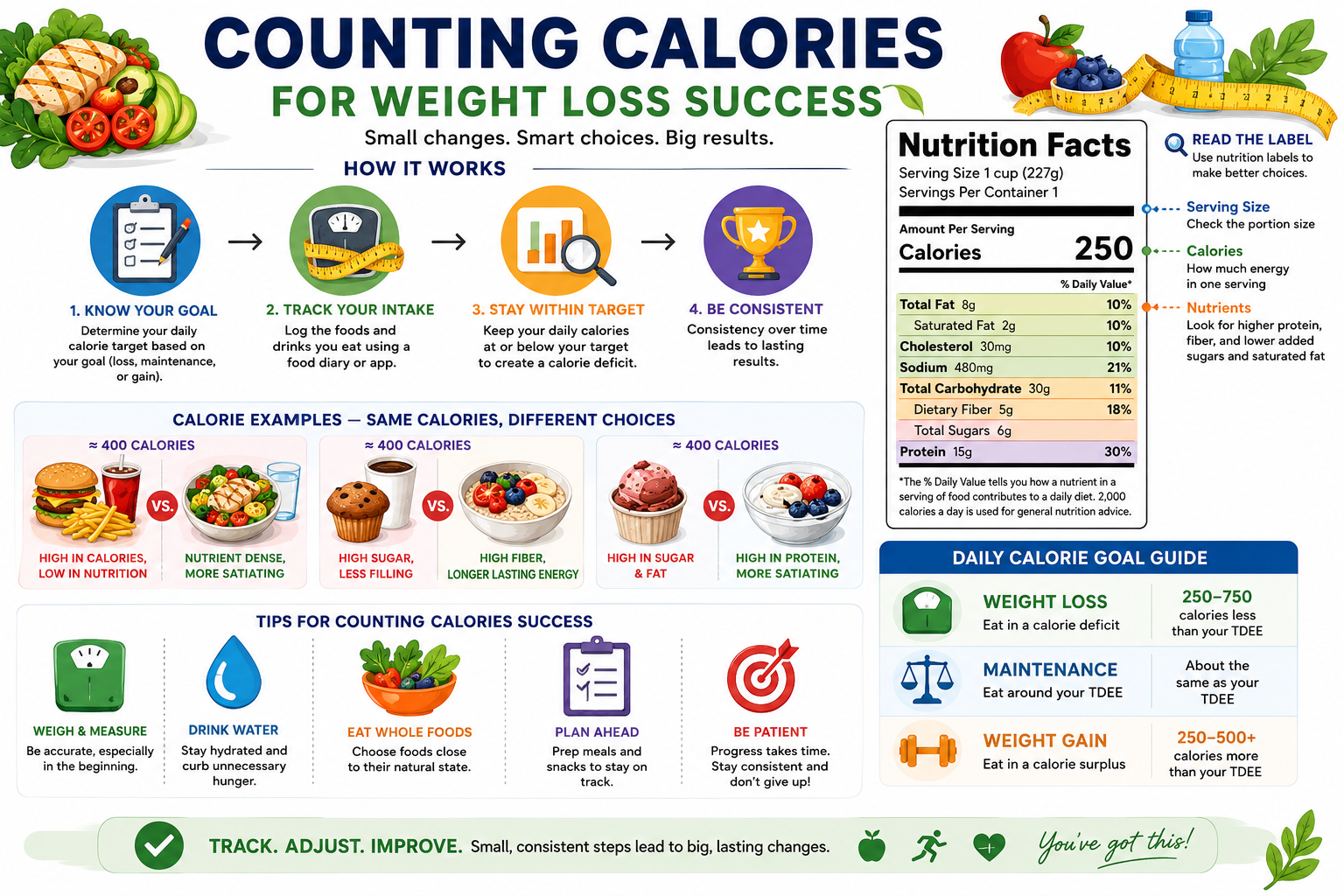
Calories In vs. Calories Out
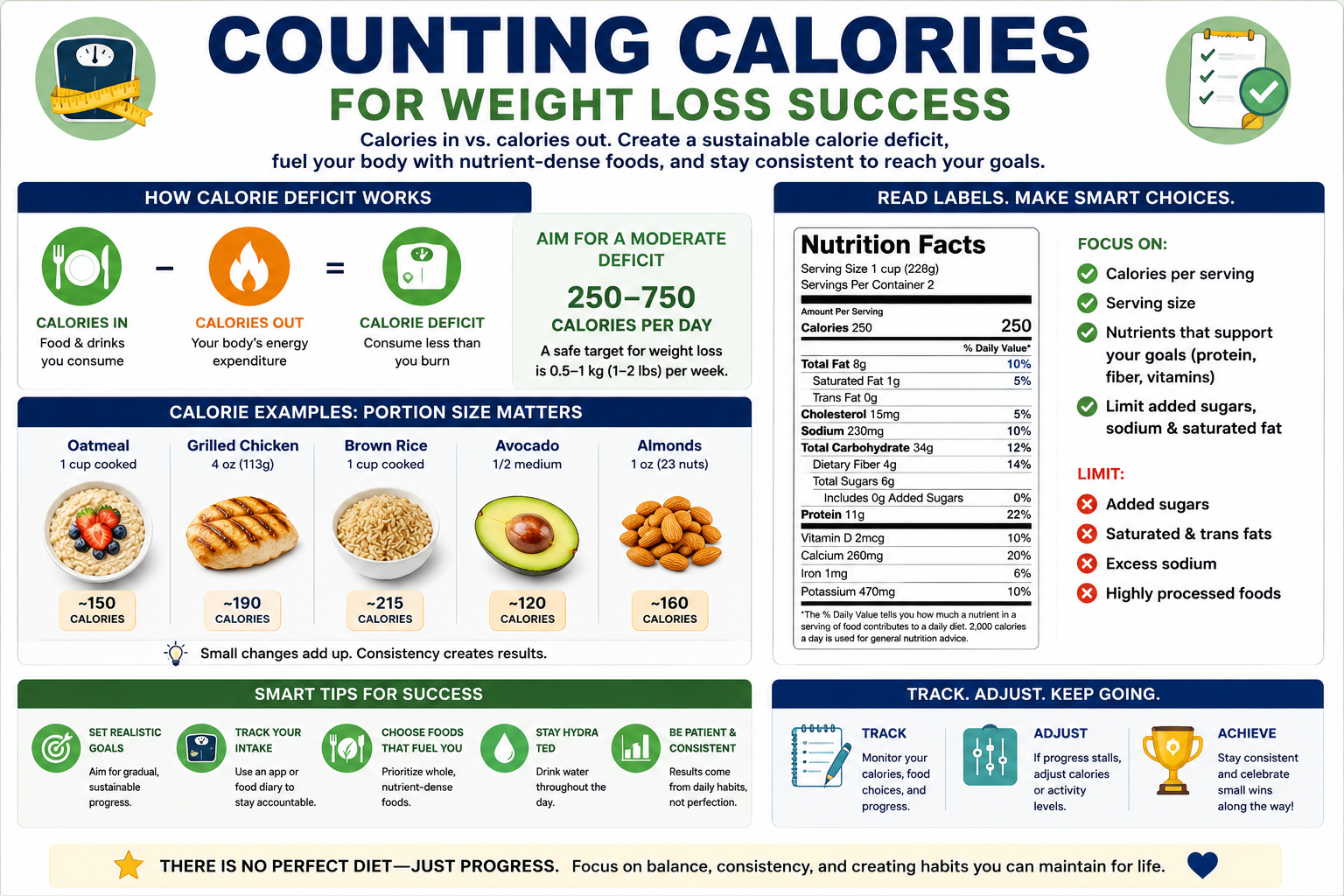
Benefits of Calorie Counting in Achieving Weight Goals
Calorie counting can be your trusted companion on the journey to achieving your weight goals. By understanding how many calories you need to maintain, lose, or gain weight, you can make informed choices that align with your health objectives. Counting calories helps you create a structured plan, offering clear estimates of your current intake and how to adjust it to suit your needs. Whether your aim is to lose weight or maintain a healthy lifestyle, keeping track of your calorie intake ensures you're aware of what you're consuming daily. This awareness empowers you to make better decisions, aiding in sustained weight management and improved health. Moreover, by setting realistic and personalized targets, calorie counting supports both beginners and experienced fitness enthusiasts in tracking their progress effectively. It’s a versatile tool, helping you stay on track while adjusting to new dietary habits and exercise routines, ultimately supporting your weight goals in a sustainable way.
Tools and Tips for Effective Calorie Counting
Effective calorie counting can be simplified with the right tools and tips. At Calorie Calculator, we offer a comprehensive app to help you track the number of calories you consume daily. This user-friendly tool is designed for weight management, whether your goal is to lose weight or maintain it. By consistently recording your calorie intake, you can manage your diet more effectively. Keeping a log of your meals and snacks allows you to stay on top of your calorie numbers, making calorie counting easier. Our app also offers insights into your daily macronutrient distribution, providing valuable tips on how to achieve a balanced diet. Additionally, integrating activity tracking with your calorie management strategy helps you understand how exercise impacts your caloric needs, ensuring your fitness goals are within reach. Remember, effective calorie counting isn’t just about the number of calories consumed but how they fit into a broader nutrition strategy for weight loss success. Utilize our tools to refine your approach to calorie management.
The Importance of Smart Calorie Intake
Understanding the significance of smart calorie intake is crucial for reaching your health and fitness goals. Calories, the units of energy found in all food and drinks, fuel our daily activities, from basic bodily functions to intense workouts. Consuming too few calories can hinder health by depriving your body of essential nutrition, while excess intake can lead to weight gain. It's important to choose food wisely to support your energy needs without sabotaging your goals. By focusing on nutrient-dense food, like fruits, vegetables, lean proteins, and whole grains, you can increase your health potential. Avoiding food high in empty calories, such as sugary drinks and processed snacks, plays a key role in maintaining optimum nutrition and supporting weight loss. Smart calorie intake ensures you're nourishing your body with the right balance of protein, fats, and carbohydrates, allowing you to achieve and maintain your desired health objectives effectively.
Healthy Food Choices to Reduce Calorie Intake
Making healthy food choices is key to effectively reducing calorie intake without sacrificing essential nutrition. Opt for nutrient-dense food like leafy greens, fresh fruits, lean proteins, and whole grains, which are all lower in calories yet packed with vitamins and minerals. When you choose these types of food to eat, you’ll naturally consume fewer empty calories, helping you meet your nutritional needs while promoting weight loss. Incorporating vegetables such as broccoli, spinach, and carrots into your meals can bulk up your plate without adding excess calories. Also, when you eat foods rich in fiber, like legumes and whole grains, you’ll feel fuller for longer, reducing the urge to snack between meals. Try to minimize processed food laden with added sugars and unhealthy fats as they tend to be calorie-dense. By focusing on these healthy food strategies, you’ll support your weight loss efforts and enhance your overall well-being, making it easier to maintain your desired nutritional balance.
Avoiding Empty Calories from Sugary Drinks
When it comes to achieving your health and weight goals, being mindful of your calorie intake is essential. Sugary drinks, like sodas and sweetened juices, are a primary source of empty calories. These calories don't provide essential nutrients, yet they can significantly impact your daily intake. Consuming such drinks regularly may lead to increased caloric intake without any nutritional benefit, making weight management more challenging. To eat smarter, swap sugary drinks for water, herbal teas, or naturally flavored water. This simple change can help you reduce empty calories and improve your overall health. By choosing beverages that support your nutritional needs, you'll be more likely to maintain or lose weight effectively. Remember, every calorie counts, so focusing on reducing empty calories from sugary drinks can be a practical step towards your weight and health goals. The key is to be aware of what you consume and make intelligent choices that align with your fitness and nutritional objectives.
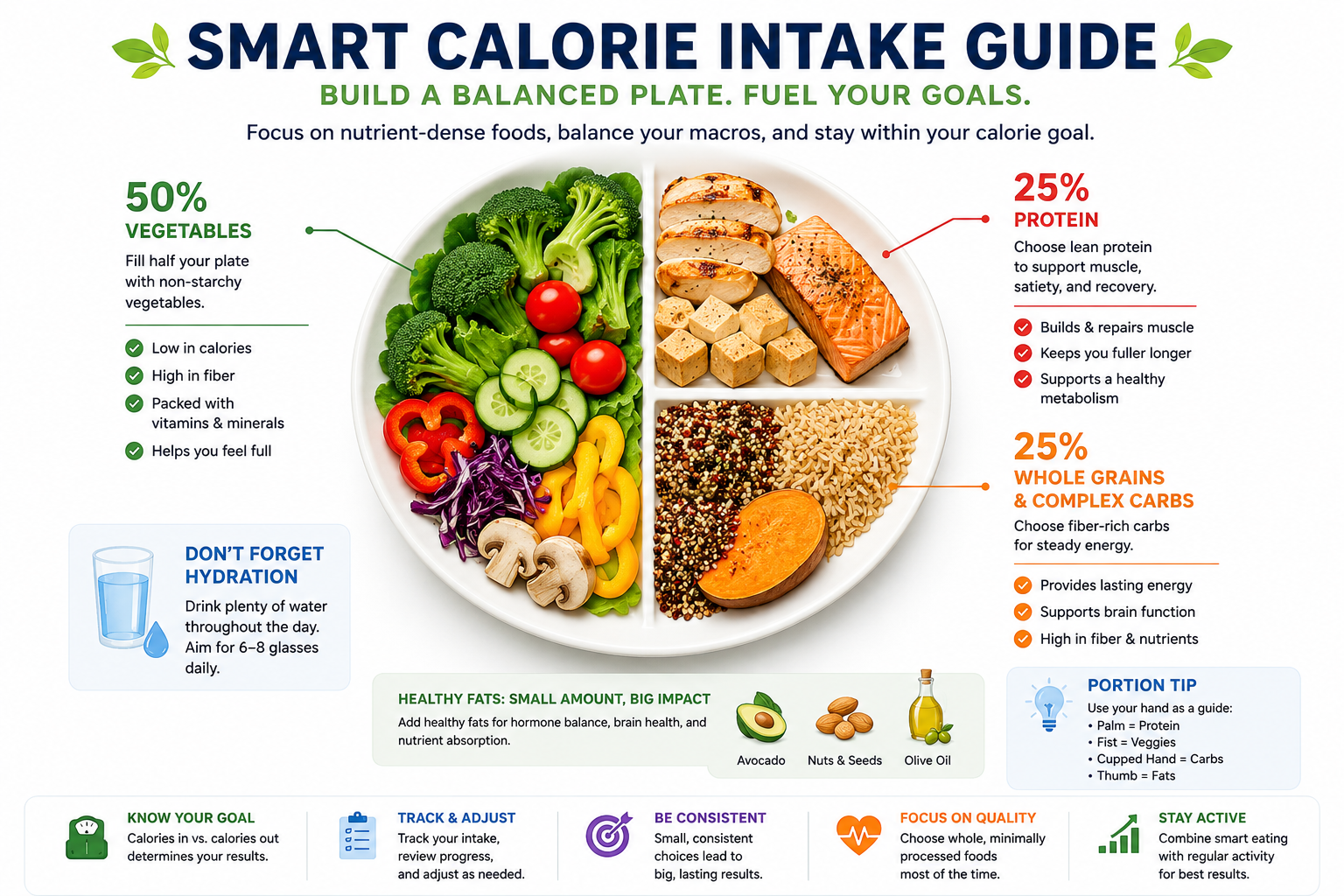
Smart Calorie Intake Guide
| Key Point | Recommended Actions | Benefits |
|---|---|---|
| Nutrient density | Choose foods rich in vitamins, minerals, and other essential nutrients relative to their calorie content. | Ensures adequate nutrient intake without excess calorie consumption, promoting better overall health. |
| Healthy Food Choices | Incorporate a variety of whole foods like fruits, vegetables, lean proteins, and whole grains into your diet. | Improves dietary quality, supports bodily functions, and reduces the risk of chronic diseases. |
| Avoiding Empty Calories | Limit consumption of foods and drinks high in added sugars and unhealthy fats. | Reduces unnecessary calorie intake and supports healthy weight management. |
This table succinctly outlines essential strategies for managing calorie intake effectively, supporting overall health and weight management.
Creating a Calorie Deficit to Lose Weight
When aiming to lose weight, a crucial strategy involves creating a calorie deficit, which means consuming fewer calories than your body burns. This deficit prompts your body to tap into stored energy, aiding in weight loss. Our calorie calculator is an excellent tool to estimate how many calories you need to cut for effective weight loss. While your body's calories are vital for daily activities and maintaining your metabolic functions, reducing calorie intake slightly can help in shedding those extra pounds. Remember, being consistent in monitoring your calories through a calorie calculator is essential. It provides a clear sense of how much calories are being consumed and burned, which is fundamental when you're aiming to lose weight. So, if you're committed to achieving weight loss through a reasonable calorie deficit, using our calorie calculator can guide you in reaching your fitness goals effectively and safely while keeping calories in check.
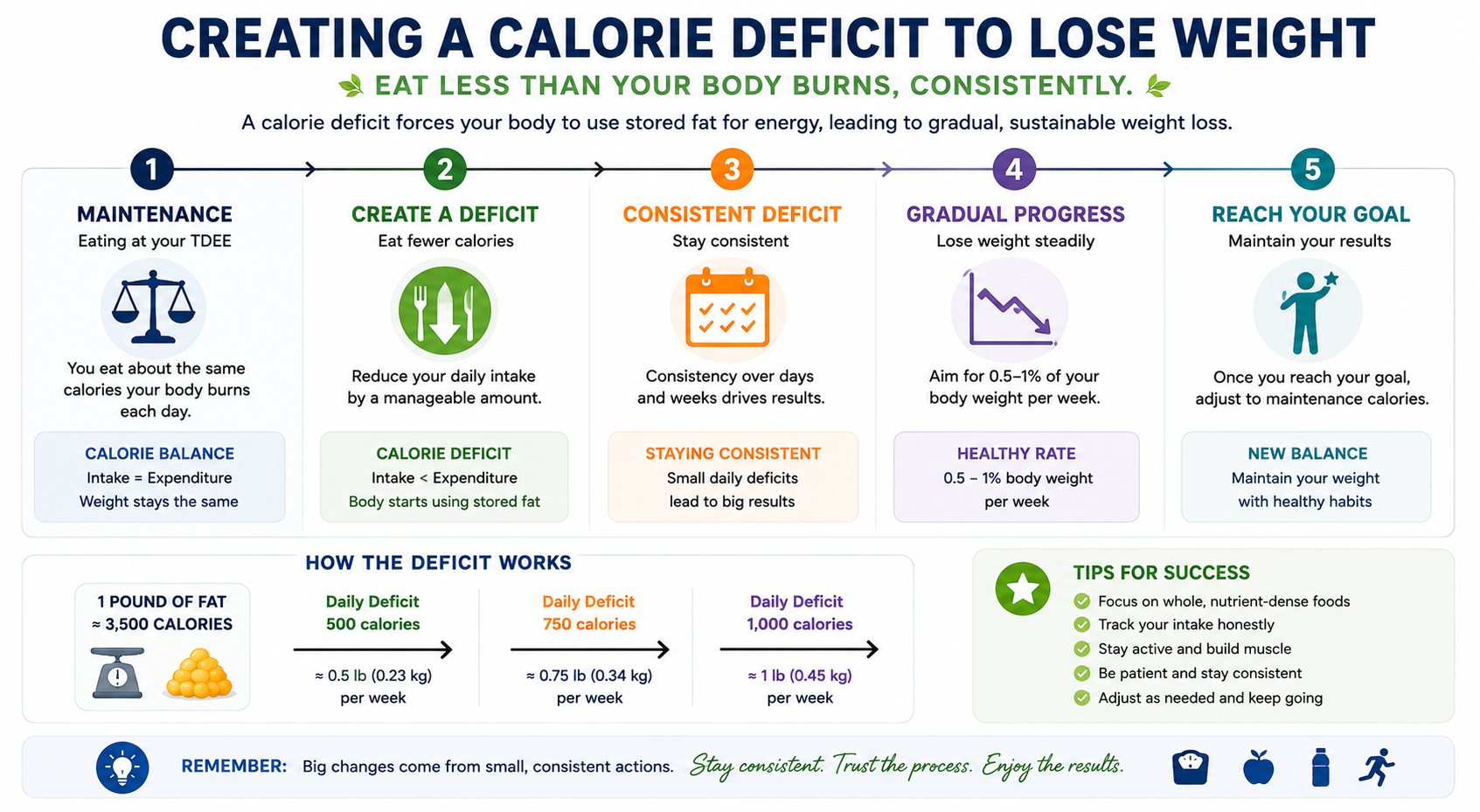
Understanding How Calorie Deficit Leads to Weight Loss
Creating a calorie deficit is a key concept when aiming for weight loss. A calorie deficit occurs when you consume fewer calories than your body needs to maintain its current weight. By consistently maintaining a calorie deficit, your body taps into its stored energy reserves, resulting in weight loss over time. To successfully lose weight, it’s crucial to understand how many calories you need. Our calculator provides precise estimates based on factors like age, height, and activity level. This evidence-based approach helps you tailor your daily nutrition goals effectively. Remember, creating too large of a deficit can impact your nutrition negatively, so it’s vital to find a balance that supports healthy weight loss without sacrificing essential nutrition. Keeping track of your daily caloric intake using our tool can help you reach your weight goals safely. Understanding your body's needs ensures a more informed, personalized approach to shedding those extra pounds.
Calculating a Safe and Effective Calorie Deficit
Creating a safe calorie deficit is crucial for effective weight loss. Understanding how many calories you need to maintain your current weight helps you determine a suitable reduction. A safe calorie deficit doesn’t mean drastically cutting calories but rather reducing your intake by a manageable amount that allows you to consistently lose weight. You should aim for an efficient calorie deficit, which typically ranges between 500-750 calories per day, ensuring you can still meet your nutritional needs while losing weight at a healthy rate. Using our Calorie Calculator, you’ll get personalized guidance on how to create this deficit while considering your activity level and fitness goals. It’s important to remember that calories are energy for your body, and maintaining the balance between calories in and calories out is key to weight loss success. By approaching your diet with a focus on reducing calories sensibly, you’re setting yourself up for sustainable results and a healthier lifestyle.
Understanding your daily calorie needs is a key step in achieving your weight loss goals, and Calorie Calculator provides a personalized, evidence-based approach to help you succeed. Whether you're a beginner or a seasoned fitness enthusiast, our platform offers insights into your caloric requirements, aiding in sustainable weight loss plans. By using tried-and-true formulas, you can confidently tailor your nutrition and exercise routine to fit your lifestyle. Embrace the journey towards a healthier you with the comprehensive tools and guidance available at Calorie Calculator. Start your transformation today!
Frequently Asked Questions
How does Calorie Calculator determine daily caloric needs for weight loss?
Calorie Calculator uses evidence-based formulas such as the Mifflin-St Jeor and Harris-Benedict equations to estimate your Basal Metabolic Rate (BMR) and Total Daily Energy Expenditure (TDEE). By inputting factors like age, sex, weight, height, and activity level, you receive personalized insights into your caloric needs.
What is the importance of knowing your Basal Metabolic Rate (BMR) and Total Daily Energy Expenditure (TDEE)?
Understanding your BMR and TDEE is crucial for setting realistic weight goals. BMR represents the calories needed for basic physiological functions at rest, while TDEE includes all daily activities. This knowledge helps in tailoring your calorie intake to achieve weight loss, maintenance, or muscle gain.
Can using the Calorie Calculator support muscle gain as well as weight loss?
Yes, the Calorie Calculator provides personalized guidance for various fitness goals, whether it's weight loss, maintenance, or muscle gain. By adjusting calorie intake and tracking macronutrients, users can effectively manage their nutritional plans for the desired outcomes.
How can the Calorie Calculator app help in making nutritional choices?
The Calorie Calculator offers insights into daily caloric needs and macronutrient distribution. This aids in making informed decisions by opting for nutrient-dense foods and creating a balanced diet, supporting sustainable weight management and healthy living.
What role does activity level play when using the Calorie Calculator?
Your activity level significantly impacts your caloric needs. The Calorie Calculator considers whether you are sedentary, lightly active, moderately active, or very active, to ensure accurate energy balance and support your specific fitness and nutrition goals.